



Modern Glaucoma Management: What Today’s Advanced Clinics Can Do to Protect Your Vision
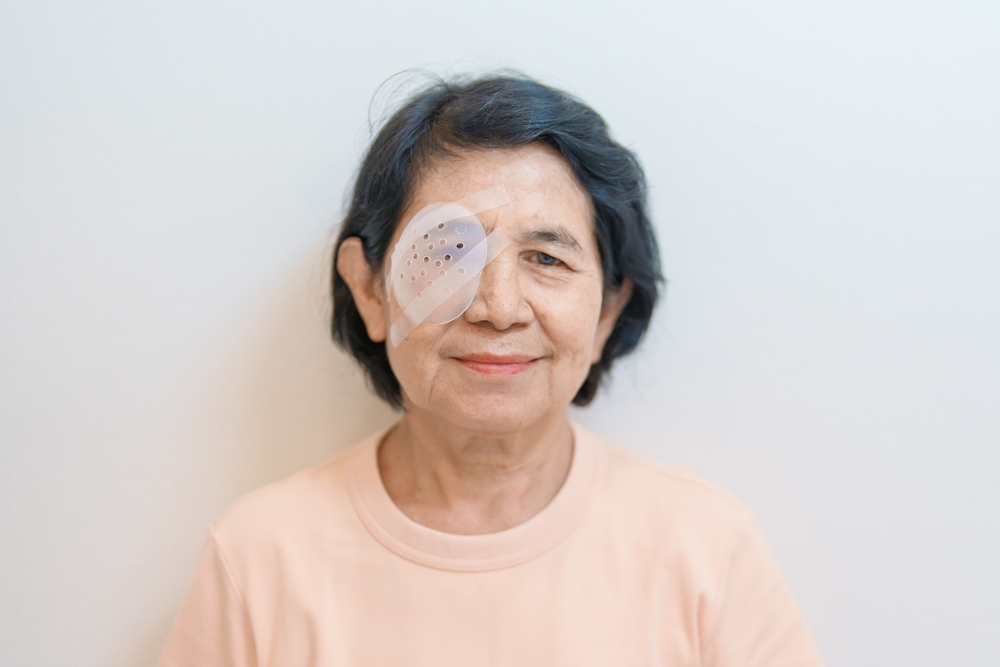
Glaucoma is often called the “silent thief of sight” for a reason: many people don’t notice symptoms until permanent vision loss has already occurred. At Your Eye Doctor P.C., we take a modern, personalized approach to glaucoma management in Ashburn, using advanced diagnostics, careful monitoring, and customized treatment strategies.
What Is Glaucoma?
Glaucoma isn’t one single disease - it’s a group of conditions that can damage the optic nerve, which is responsible for carrying visual information from your eye to your brain. In many cases, this damage is related to higher-than-normal eye pressure (intraocular pressure), but glaucoma can occur even when eye pressure is within a typical range. Because glaucoma damage is irreversible, the goal of modern care is simple: detect early, slow progression, and preserve vision.
How We Can Detect Glaucoma Earlier Than Ever
Modern glaucoma care starts with better information. Today’s advanced clinics can evaluate glaucoma risk and progression using a combination of highly accurate tests that look beyond “just the pressure.”
• Comprehensive pressure evaluation: Eye pressure is still an important metric, but it’s only one part of the full picture. Many patients benefit from repeated measurements over time to establish an accurate baseline.
• Optic nerve assessment : Modern imaging and detailed evaluation of the optic nerve can reveal subtle changes that may not be visible with basic screening methods.
• Retinal nerve fiber layer imaging (OCT): Optical Coherence Tomography (OCT) allows your optometrist to measure the thickness of the nerve fiber layers. This is a major advantage because changes can often be detected before noticeable vision loss.
• Visual field testing: A visual field test checks for functional vision changes- especially peripheral vision loss, which is common in glaucoma.
• Corneal thickness and risk interpretation: Corneal thickness can affect pressure readings and glaucoma risk assessment, so advanced care often includes measuring it and factoring it into your plan.
This combination of structure and function testing is what makes modern glaucoma management so effective: it helps providers catch glaucoma earlier and monitor it more accurately.
What Is Glaucoma Management?
One of the biggest advances in glaucoma care isn’t just technology - it’s strategy. Today, treatment is increasingly customized based on a patient’s risk level, optic nerve appearance, pressure readings, test results, and rate of change over time. Dr. Mandana Nasiri Manesh focuses on tailoring each patient’s plan so treatment is appropriate without being excessive. Many patients consider her the best optometrist in Ashburn because she combines clinical precision with clear, supportive guidance - especially for conditions that require long-term monitoring like glaucoma.
Glaucoma Treatment Options
Glaucoma treatment typically focuses on reducing eye pressure to a safe target range for your eyes. Prescription eye drops are often the first line of treatment and may reduce fluid production inside the eye or improve drainage to lower pressure and protect the optic nerve.
Depending on your diagnosis, risk level, and how your eyes respond over time, your doctor may also recommend laser treatments designed to improve the eye’s fluid outflow, or surgical procedures to create new drainage pathways or reduce fluid production, and medication adjustments such as adding combination drops or changing formulations to improve effectiveness and comfort.
Get Ahead of Glaucoma in Ashburn
Modern glaucoma management has changed what’s possible. With advanced imaging, refined testing, and personalized treatment strategies, today’s clinics can often detect glaucoma earlier and slow progression more effectively than ever.
Schedule a glaucoma evaluation at Your Eye Doctor P.C. to take a proactive step toward protecting your sight. Visit our office in Ashburn, Virginia, 5 minutes drive from Ashburn Farm Parkway and Claiborne PKWY, or call (703) 828-0860 to book an appointment today.


MAP
© 2026 Your Eye Doctor P.C.. All Rights Reserved. Accessibility Statement - Privacy Policy - Sitemap
Powered by: